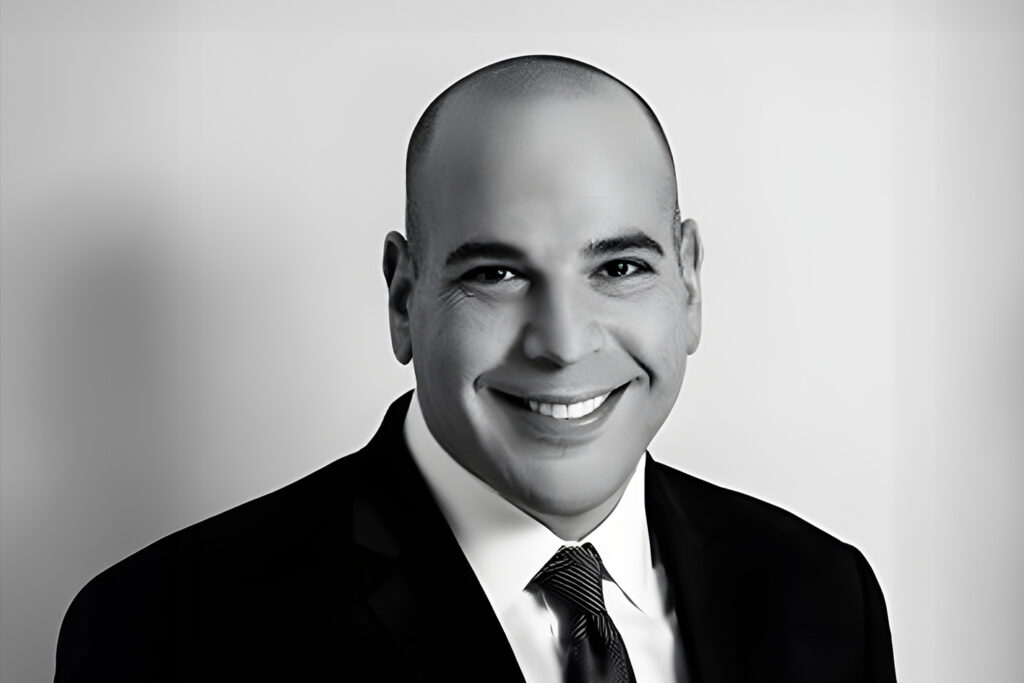
Nassau County DUI Lawyer
The Law Offices of Scott Gross, P.C. provide an experienced Nassau County DUI lawyer for clients facing DWI or DUI charges and serious legal consequences.
Understanding DUI and DWI Charges in Nassau County
New York law includes several distinct alcohol and drug-related driving offenses, and understanding the differences between them is an important first step for anyone facing charges. Driving While Ability Impaired, commonly referred to as DWAI, applies to lower blood alcohol content levels and is generally treated as a traffic infraction rather than a criminal charge, though it still carries meaningful consequences. Driving While Intoxicated, or DWI, is a more serious charge that applies at higher blood alcohol levels and is classified as a criminal offense, even for a first arrest. Aggravated DWI applies when a driver’s blood alcohol content is significantly elevated, and it carries enhanced penalties reflecting the increased perceived danger.
The specific consequences a person faces depend heavily on factors such as their blood alcohol content at the time of arrest, whether they have any prior DWI convictions, whether a minor was in the vehicle at the time, and whether the incident involved an accident causing injury. Even a first-time DWI conviction can result in license suspension, mandatory installation of an ignition interlock device, fines, and potential jail time, and the consequences escalate substantially for repeat offenders or aggravated circumstances.
One of the most important things for anyone arrested for a Nassau County DUI to understand is that there are actually two separate proceedings that follow an arrest: the criminal case in court, and a separate administrative proceeding through the Department of Motor Vehicles concerning license suspension. These two processes operate on different timelines and involve different procedures, and a driver typically has only a very short window, often just fifteen days, to request a hearing regarding license suspension. Missing this deadline can result in an automatic suspension, making it essential to consult an attorney immediately after an arrest rather than waiting.
Because these cases involve both technical scientific evidence and strict procedural requirements that police must follow, a knowledgeable Nassau County DUI lawyer can often identify multiple avenues for challenging the charges that a person without legal training would never recognize on their own.
How The Law Offices of Scott Gross, P.C. Defends DUI and DWI Cases
The firm approaches every DUI case with the same level of scrutiny, examining each stage of the arrest process for weaknesses that can be used to challenge the charges or negotiate a more favorable outcome.
Challenging the Legality of the Traffic Stop. Police must have a valid legal basis to initiate a traffic stop in the first place, whether that is an observed traffic violation or reasonable suspicion of impaired driving. If the initial stop was not properly justified, any evidence gathered afterward, including field sobriety test results and breathalyzer readings, may potentially be suppressed from the case entirely.
Scrutinizing Field Sobriety Test Administration. Standardized field sobriety tests must be administered according to specific protocols established by the National Highway Traffic Safety Administration, and officers frequently make errors in how these tests are conducted or scored. The firm carefully reviews body camera and dashcam footage, where available, to identify deviations from proper testing procedure.
Examining Breathalyzer Calibration and Maintenance Records. Breath testing devices require regular calibration and maintenance to produce reliable results, and any lapses in this process can call the accuracy of a reading into question. The firm routinely requests these maintenance records as part of the discovery process to evaluate whether the device used in a particular case was functioning properly.
Reviewing Blood Test Chain of Custody. In cases involving a blood draw, whether due to a refusal to submit to a breath test or an accident investigation, the chain of custody for the sample must be properly documented at every step. Any gaps or irregularities in this chain can raise serious questions about the reliability of the test results ultimately presented in court.
Negotiating Reduced Charges. In appropriate cases, the firm works to negotiate a reduction from a DWI charge to a lesser offense such as DWAI, which can significantly reduce the long-term consequences a client faces, including the impact on their driving privileges and criminal record.
DMV Hearing Representation. Given the tight deadline for requesting a DMV hearing regarding license suspension, the firm moves quickly to ensure this administrative process is handled properly and that the client’s ability to drive is protected to the greatest extent possible while the criminal case proceeds.
Ignition Interlock and License Reinstatement Guidance. For clients who are convicted or who accept a plea involving license consequences, the firm guides navigating the ignition interlock device requirements and the process for eventually restoring full driving privileges.

Common Questions Nassau County Drivers Have After a DUI Arrest
Many people facing a first DUI arrest in Nassau County share similar concerns and misconceptions about what lies ahead, and understanding a few key realities can help ease some of the uncertainty during a stressful time.
A common misconception is that failing a breathalyzer test guarantees a conviction. In reality, breath testing devices are mechanical instruments subject to error, and the circumstances surrounding their use, including proper calibration, the qualifications of the administering officer, and adherence to required waiting periods before testing, can all be challenged. A skilled Nassau County DUI lawyer will not simply accept a breath test result at face value but will investigate the full context in which it was obtained.
Another frequent concern involves the impact of a DWI arrest on employment, particularly for individuals whose jobs require driving or who hold professional licenses. Depending on the profession, a DWI conviction can trigger reporting obligations to licensing boards or create complications with employer policies regarding driving records. An attorney familiar with these collateral consequences can help clients understand what to expect and, where possible, negotiate an outcome that minimizes professional fallout.
Many drivers also wonder whether refusing to take a breathalyzer test at the time of arrest is a good strategy. While refusal avoids providing a specific blood alcohol content number, it carries its own automatic penalties under New York’s implied consent law, including immediate license suspension regardless of whether the underlying DWI charge is ultimately resolved favorably. Because the calculus involved in this decision is complex and depends heavily on individual circumstances, this is exactly the kind of judgment call best made with legal guidance rather than in the stressful moments following a traffic stop.
Finally, many people assume that a DWI arrest inevitably means a criminal record that will follow them permanently. While a conviction certainly does create a criminal record, the outcome of any given case depends heavily on the specific evidence involved and the strategy pursued. Cases are sometimes reduced to non-criminal violations, dismissed outright due to procedural issues, or resolved through diversion programs, particularly for first-time offenders, which is why obtaining a full evaluation from an experienced attorney before assuming the worst is so important.
Why Nassau County Residents Choose The Law Offices of Scott Gross, P.C.
A DWI or DUI arrest is a serious matter, but it does not have to define the rest of your life. The Law Offices of Scott Gross, P.C. has helped countless Nassau County residents navigate this difficult experience with skilled, attentive legal representation focused on protecting their driving privileges, their record, and their future.
The firm’s familiarity with Nassau County’s specific courts, prosecutors, and local police departments provides a genuine advantage when it comes to anticipating how a particular case is likely to be handled and identifying the most effective strategy from the outset. This local knowledge, combined with a thorough technical understanding of DWI science and procedure, allows the firm to build a defense tailored to the specific facts of each case rather than relying on a one-size-fits-all approach.
Clients also benefit from the urgency with which the firm approaches these cases, recognizing that DWI matters involve strict deadlines, particularly regarding the DMV license suspension hearing, that cannot be missed without serious consequences. From the moment a client reaches out, the firm moves quickly to protect their rights and preserve every available option.
Beyond the legal strategy itself, clients appreciate the firm’s straightforward, compassionate approach to what is often an embarrassing and frightening experience. Rather than treating clients with judgment, the firm focuses on providing clear guidance and vigorous advocacy, helping clients understand exactly what to expect at each stage of the process. For anyone searching for a Nassau County DUI lawyer who combines local knowledge, technical skill, and genuine attentiveness, The Law Offices of Scott Gross, P.C. offers exactly that combination.
If you have been arrested for DWI or DUI in Nassau County, do not wait to seek legal help, particularly given the short deadline to request a DMV hearing. Contact The Law Offices of Scott Gross, P.C. today to protect your license and begin building your defense.
Frequently Asked Questions
How quickly do I need to act after a DWI arrest in Nassau County?
Very quickly. In addition to the criminal case itself, New York’s DMV imposes a strict deadline, typically fifteen days from the date of arrest, to request a hearing regarding your license suspension. Missing this deadline can result in an automatic suspension of your driving privileges, which is why contacting an attorney immediately after an arrest, rather than waiting, is so important for protecting your ability to drive.
Can I fight a DWI charge if I failed the breathalyzer test?
Yes, a failed breathalyzer result is not necessarily the end of the case. These devices require regular calibration and maintenance, and officers must follow specific procedures when administering the test, including required observation periods beforehand. An experienced attorney will investigate whether these requirements were properly followed and whether any procedural or technical issues exist that could call the reliability of the result into question.
What happens if this is not my first DWI arrest in New York?
Repeat DWI offenses carry substantially harsher penalties than a first offense, including longer license revocation periods, higher fines, and an increased likelihood of jail time, particularly if a prior conviction occurred within the past several years. Given the significantly increased stakes involved, it becomes even more important to have skilled legal representation carefully examining every aspect of the case for potential defenses or mitigating arguments.
Will I definitely lose my license if I’m convicted of DWI?
In most cases, a DWI conviction does result in some period of license suspension or revocation, with the exact length depending on the specific charge and any prior record. However, programs such as conditional licenses and ignition interlock arrangements can sometimes allow for limited driving privileges even during a suspension period, and an experienced attorney can help you understand and pursue these options where available.
Should I hire a local Nassau County attorney rather than a general criminal defense lawyer?
While many criminal defense attorneys can handle DWI cases, working with someone specifically experienced in Nassau County’s courts offers real practical advantages, including familiarity with local prosecutors, judges, and the particular police departments that handle DWI stops throughout the county. This local insight often proves valuable in anticipating how a case will be handled and identifying the most effective strategy for achieving a favorable outcome.
Book a Free Consultation
Scott Gross
30 Minute Meeting 30 min 666 Old Country Road, Garden City New York 11530
LONG ISLAND CRIMINAL DEFENSE ATTORNEY
Scott Gross
Posted on
Defending the Rights of the Criminally Accused