Experienced Long Island drug crime lawyer defending possession, trafficking, and serious felony charges.
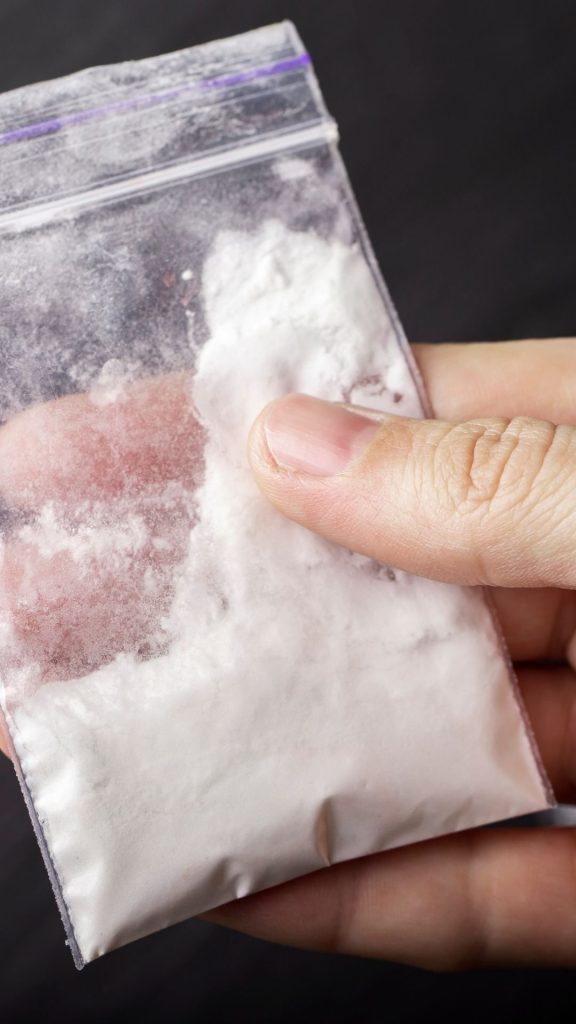
Drug Crime Charges In Nassau And Suffolk County
Drug crime cases in Long Island vary widely in severity, but all are treated seriously under New York law. Charges are typically based on the type of substance involved, the amount allegedly possessed, and whether law enforcement believes there was intent to sell. Working with an experienced Long Island drug crime lawyer can be essential in understanding these charges, protecting your rights, and developing a strategic defense tailored to the specific circumstances of your case.
Possession charges are among the most common. Criminal Possession of a Controlled Substance in the Seventh Degree, for example, is a misdemeanor that involves knowingly possessing a controlled substance. However, possession charges quickly escalate to felony levels depending on the weight and classification of the drug. Substances such as cocaine, heroin, fentanyl, methamphetamine, MDMA, and certain prescription medications frequently form the basis of these charges.
More serious allegations involve intent to sell or actual distribution. Prosecutors may rely on circumstantial evidence such as packaging materials, scales, cash, text messages, or undercover operations to argue that the accused intended to distribute drugs. Even a small amount of drugs can lead to felony charges if law enforcement claims there was intent to sell.
Drug trafficking cases involve larger quantities and often trigger lengthy prison sentences. In some circumstances, federal charges may apply in addition to state prosecution. Prescription drug crimes also remain a major focus of enforcement efforts on Long Island. These cases can involve accusations of forged prescriptions, doctor shopping, or illegal distribution of medications like oxycodone or Adderall.
The complexity of these charges makes it essential to consult with a knowledgeable Long Island drug crime lawyer, such as The Law Offices of Scott Gross, P.C., who understands how prosecutors build cases and how to dismantle them effectively.
The Serious Consequences of A Drug Conviction
Many people underestimate the impact of a drug arrest. However, a conviction can result in immediate penalties as well as long-term consequences that follow you for years.
Depending on the degree of the charge, criminal penalties may include jail time for misdemeanors or state prison sentences for felonies. Courts may also impose probation, mandatory drug treatment programs, community service, and significant fines. In some cases, property or assets alleged to be connected to drug activity may be subject to forfeiture.
Beyond the courtroom, the collateral consequences of a drug conviction can be devastating. A permanent criminal record may limit your employment opportunities, prevent you from obtaining professional licenses, and interfere with housing applications. College students may face disciplinary action or loss of financial aid. Those involved in child custody disputes may find that a conviction negatively affects their parental rights.
Non-citizens face especially severe consequences. A drug conviction can trigger deportation proceedings, inadmissibility to the United States, or denial of naturalization. Because immigration law interacts harshly with drug offenses, it is critical to work with a Long Island drug crime lawyer who understands these additional risks.
Driver’s license suspension is another possible outcome, particularly if the case involves drugs found in a vehicle. Losing the ability to drive can significantly disrupt your daily life and employment.
The stakes in drug crime cases are high. Without experienced legal representation, you may face penalties that could have been reduced or avoided altogether.

Building A Strong Defense Against Drug Charges
An arrest does not equal a conviction. Every drug case must be proven beyond a reasonable doubt, and the prosecution’s evidence is often far weaker than it appears at first glance. A skilled defense strategy begins with a careful review of how the evidence was obtained.
One of the most powerful defenses in drug cases involves challenging illegal searches and seizures. The Fourth Amendment protects individuals from unreasonable searches. If police conducted a traffic stop without probable cause, searched a home without a valid warrant, or exceeded the scope of consent, the evidence obtained may be suppressed. When key evidence is excluded, the prosecution’s case can collapse.
Another common defense involves disputing possession. Prosecutors must prove that you knowingly and unlawfully possessed the substance. In cases involving shared vehicles, apartments, or public spaces, proving exclusive possession can be difficult. Constructive possession arguments are often vulnerable to challenge.
The intent to sell is also frequently contested. Law enforcement may claim that the packaging materials or the amount of drugs found indicate distribution. However, such evidence does not automatically prove intent. An experienced Long Island drug crime lawyer can challenge these assumptions and argue that the evidence does not meet the legal standard required for conviction.
Chain of custody issues and laboratory testing errors can also undermine the prosecution’s case. The state must demonstrate that the substance seized was properly handled, stored, and tested. Any break in the chain of custody or testing irregularity can cast doubt on the integrity of the evidence.
In some cases, entrapment may apply if law enforcement induced an individual to commit a crime they otherwise would not have committed. Each defense strategy must be tailored to the unique facts of the case, and early investigation is often crucial to preserving important evidence.
Why Hiring An Experienced Long Island Drug Crime Lawyer Matters
Drug crime cases in Long Island move quickly through the criminal court system. From arraignment and bail hearings to motion practice and trial, each stage demands strategic defense decisions. Working with an experienced Long Island drug crime lawyer and criminal defense attorney helps protect your constitutional rights from day one.
Local courtroom experience matters. A defense lawyer familiar with Nassau County and Suffolk County courts understands local procedures, judges, and prosecutors. This insight is critical when negotiating plea deals, challenging illegal searches and seizures, or filing suppression motions.
Early legal intervention can dramatically impact the outcome of a drug arrest. A detailed review of police reports, body camera footage, search warrants, and lab analysis may expose constitutional violations or evidentiary weaknesses. Timely motions to suppress evidence can lead to reduced charges or case dismissal.
In certain cases, alternative sentencing, drug treatment court, or diversion programs may be available. Qualified defendants may enter rehabilitation or counseling programs in exchange for reduced penalties. A skilled criminal defense lawyer can pursue these options when appropriate.
If your case proceeds to trial, aggressive courtroom advocacy is essential. Cross-examining law enforcement, challenging forensic evidence, and delivering persuasive jury arguments require preparation and trial experience. A strategic defense can mean the difference between conviction and acquittal.
At The Law Offices of Scott Gross, P.C., we provide dedicated Long Island criminal defense representation focused on protecting your freedom, reputation, and future. If you are facing drug charges, DWI, Sex Crimes, or federal criminal allegations, you do not have to face the justice system alone. The right defense attorney can make all the difference.
Frequently Asked Questions
When should I contact a Long Island drug crime lawyer after an arrest?
You should contact an attorney immediately after being arrested or as soon as you learn you are under investigation. Early legal representation can help protect your rights, prevent self-incrimination, and allow your lawyer to begin building a defense strategy right away.
Can a Long Island drug crime lawyer get my charges reduced?
In many cases, yes. An experienced attorney may negotiate with prosecutors to reduce felony charges to misdemeanors or secure alternative sentencing options. If constitutional violations occurred, your lawyer may also seek dismissal of the charges entirely.
What if the drugs were not mine?
The prosecution must prove that you knowingly possessed the drugs. If the substances were found in a shared space or belonged to someone else, your attorney can challenge the state’s ability to prove possession beyond a reasonable doubt.
Do first-time offenders go to jail for drug crimes on Long Island?
Not always. Many first-time offenders may qualify for probation, diversion programs, or treatment alternatives. However, the outcome depends on the type of drug, the quantity involved, and the specific facts of the case.
How can a Long Island drug crime lawyer help protect my future?
A skilled attorney can challenge illegal searches, question the prosecution’s evidence, negotiate reduced penalties, and represent you aggressively at trial if necessary. Effective legal representation can mean the difference between a permanent criminal record and a second chance.
Book a Free Consultation
LONG ISLAND CRIMINAL DEFENSE ATTORNEY
Scott Gross
Posted on
Defending the Rights of the Criminally Accused